
The Nature of Luck in Gambling
The concept of luck in gambling evokes a wide array of beliefs and emotions among players. Many individuals enter casinos with the hope that luck will be on their side, leading to significant wins. This notion is often bolstered by anecdotes of players who unexpectedly hit the jackpot or experience remarkable winning streaks, especially when playing pokies online australia and other popular games. However, underlying these stories is the reality of randomness that governs most casino games, which raises the question of whether luck truly impacts outcomes or simply serves as a comforting narrative for players seeking an emotional connection to their gambling experiences.
Casinos are meticulously designed with games that adhere to specific odds and probabilities. In most cases, luck may seem to play a role in the short term, but the long-term outcomes are dictated by mathematical principles. For instance, in a game like roulette, the probability of landing on a particular color remains constant with each spin, regardless of previous results. This illustrates that while luck can influence individual games, it does not change the established odds over time. Acknowledging this distinction is crucial for gamblers who wish to engage with casino games intelligently and responsibly.
Moreover, the portrayal of luck in popular culture often romanticizes the concept, depicting characters who win against all odds through sheer fortune. Movies and stories contribute to the mythos surrounding luck, leading many players to believe that they can replicate such success. While luck can indeed lead to unexpected outcomes, it is vital for players to approach gambling with a clear understanding of the role of luck versus strategy. In doing so, they can develop a more realistic outlook, thereby enhancing their overall gaming experience.
The Role of Skill and Strategy
In the realm of gambling, skill and strategy can play a pivotal role alongside luck, particularly in games where decision-making significantly influences outcomes. Games such as poker and blackjack require players to employ strategic thinking and a deep understanding of the mechanics involved. In these instances, a player’s skill set can greatly overshadow the element of luck, leading to more consistent wins over time. For example, skilled poker players are adept at reading their opponents, calculating probabilities, and employing various strategies like bluffing and position play.
Take blackjack, for instance; a competent player can utilize strategies such as card counting to gain an edge over the house. While luck will still influence the cards dealt, the player’s ability to make informed decisions can significantly shift the odds in their favor. This interplay between luck and skill underscores the importance of education and practice in casino gaming. Players who invest time in mastering the rules and strategies of a game are more likely to achieve favorable results, demonstrating that success in gambling is not solely a matter of chance.
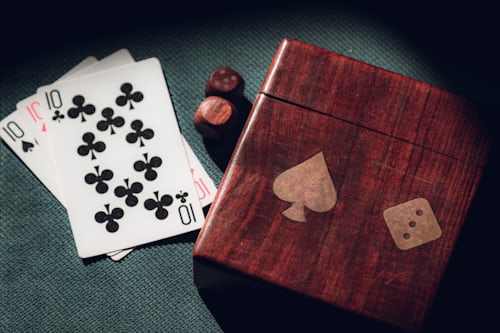
Ultimately, the relationship between luck and skill highlights the complexity of casino outcomes. Those who recognize the importance of honing their skills and developing effective strategies can navigate the gambling landscape more successfully than those who rely solely on luck. This nuanced understanding can empower players to take charge of their gaming experience, balancing the unpredictable nature of luck with informed decision-making and strategy.
The Psychological Impact of Luck
The perception of luck can significantly affect players’ psychology and behavior while gambling. Many gamblers develop personal beliefs or superstitions about luck, such as wearing specific clothing or carrying a ‘lucky’ charm. These rituals, while lacking any scientific basis, can enhance their confidence and shape how they approach games. This psychological factor often leads players to feel more in control of their outcomes, even when the reality of chance remains unchanged.
Moreover, the excitement associated with perceived lucky moments can give rise to the ‘gambler’s fallacy.’ This cognitive bias leads players to believe that previous outcomes can influence future results in games of chance. For instance, a player might continue to wager on a losing streak, convinced that a win is imminent simply because they have lost several times in succession. This flawed reasoning can result in considerable financial losses, underscoring the need for players to maintain a rational mindset when engaging in gambling activities.
Understanding the psychological aspects of luck can help players make better-informed decisions while gambling. By acknowledging that luck is inherently unpredictable and that outcomes are governed by established odds, players can cultivate a healthier approach to gaming. Prioritizing skill and strategy over superstition not only enhances the overall gambling experience but also mitigates the risk of developing harmful habits associated with gambling. Ultimately, adopting a balanced perspective can lead to more enjoyable and responsible play.
The Odds and Probability in Casinos
To comprehend the influence of luck on casino outcomes, it is vital to grasp the fundamental principles of odds and probability. Every casino game is designed with a specific house edge, which represents the mathematical advantage that the casino holds over players. This house edge ensures that, over time, the casino will profit regardless of individual wins or losses. For players, understanding these odds is essential for making informed betting decisions. For example, in slot machines, the probability of hitting a jackpot is astronomically low, often in the millions to one.

Similarly, in table games, having a clear understanding of the rules and associated probabilities can help players gauge the risks involved. Recognizing which bets offer better odds allows players to make more strategic choices, reducing their reliance on sheer luck. Many players mistakenly equate excitement with luck, leading them to chase losses or gamble more heavily. Such behavior can be detrimental, as it may lead to substantial financial losses and emotional distress.
Furthermore, grounding decisions in probability rather than luck provides a more sustainable approach to casino gaming. By focusing on the odds and making strategic choices, players can improve their chances of success while enjoying the gaming experience. Ultimately, while luck does play a role in every game, players who prioritize understanding the underlying probabilities are better equipped to navigate the complexities of casino gaming and enhance their overall enjoyment.
Your Gateway to Understanding Gambling
As you embark on your journey through the captivating world of casino gaming, it is imperative to access reliable information and resources that can guide you through this complex domain. Our website serves as a comprehensive hub designed for gamblers eager to understand the intricacies of various games, strategies, and the delicate balance between luck and skill. We provide in-depth articles, expert insights, and practical tips tailored to enhance your gambling experience.
Our platform is committed to empowering players by offering a wealth of knowledge about the principles of gambling. Whether you are a seasoned player or new to the scene, our resources can aid you in making informed decisions, grasping the odds, and crafting strategies that align with your personal gaming style. Our ultimate goal is to foster a community of informed players who engage in responsible and enjoyable gambling practices.
We believe that understanding the dynamics of luck, skill, and probability is essential for elevating your casino experience. Join us as we delve deeper into the world of gambling, equipping you with the tools and knowledge needed to enjoy your time at the casino responsibly and effectively. Your adventure in understanding gambling begins here, and we invite you to explore all that our website has to offer, ensuring a fulfilling and enriching experience.